Transitions™ XTRActive® New Generation
Extra coloring. Extra protection against light.
Home page » Transitions™ XTRActive® New Generation
Transitions™ XTRActive® New Generation
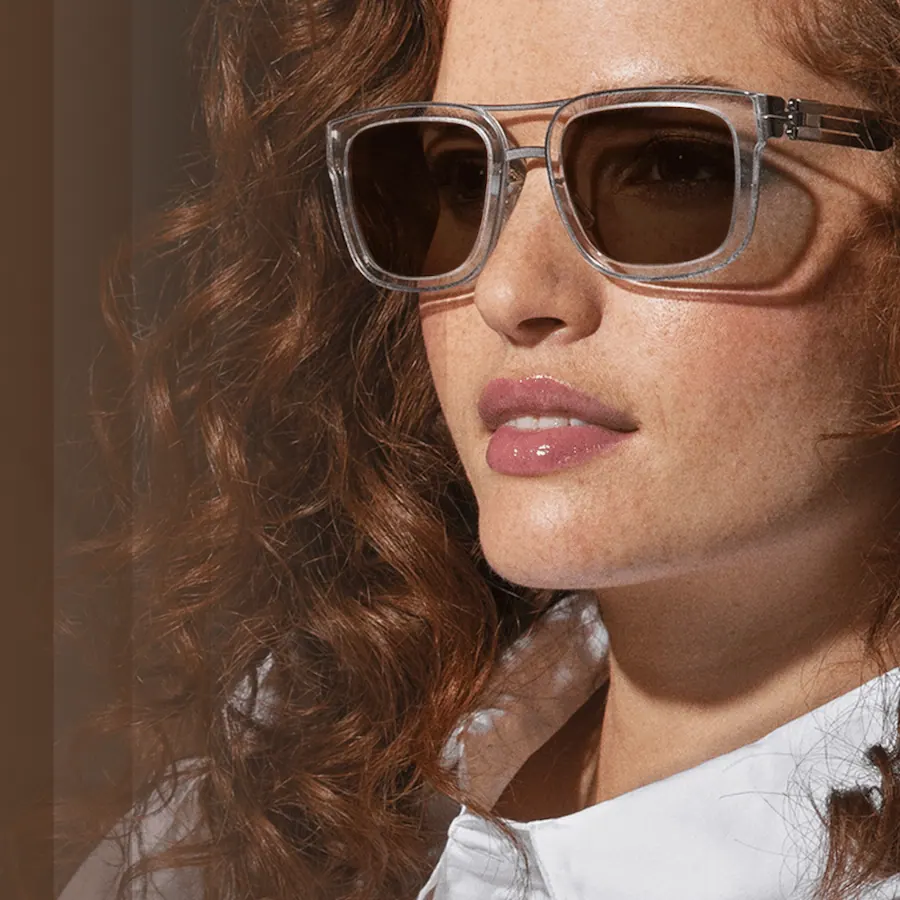
Transitions XTRActive New Generation lenses are specially designed to provide extra color and the best additional protection(1), necessary for wearers who are very sensitive to light and those who are exposed to intense and strong light.
The most colorful photochromic lens at high temperatures outdoors and in the car. Provides the best protection against harmful blue light in all light conditions.
A unique wearer experience in everyday life
they are very pleased with their appearance in the car Ex.: commuting by car on a sunny morning
feel that their eyes are very well protected outdoors when it is very sunny Ex.: walk during lunch break
feel that their eyes are very well protected from screens Ex.: working at the office or at home
feel that their eyes are very well protected in enclosed spaces, when exposed to bright, artificial lights Ex.: shopping
(1) Darkest at high temperatures, inside the car and best blue light protection in all light conditions, among clear and extra dark photochromic lenses. (2) From clear to extra dark lenses in the photochromic category. Polycarbonate lenses and 1.5 index gray lenses tested at 35°C achieve <18%T using standard Transitions Optical test methods. (3) Protection against harmful blue light (380nm-460nm) in the following light conditions: indoor at 23°C, behind the windshield and outdoor at 23°C, among polycarbonate lenses and 1.5 index gray lenses in the clear and extra thin photochromic category. (4) Compared to the previous generation, among materials tested on gray lenses, a return to a transparent state with a transmission of 70% at 23°C. (5) Transitions Optical, Vision Quality & Vision Experience, Life Wearer Testing, France, Eurosyn, Q3 2020, N=148 – Top4Boxes *Based on wearers who prefer XTRActive II lenses (32% of all wearers). Note: small base size (n=46 wearers who prefer XTRActive II lenses).
LIGHT PROTECTION
GLARE PROTECTION
ADVANTAGES
- People sensitive to light
- They need photochromic lenses inside the car
- They are often exposed to bright light
- People sensitive to light
- I know and appreciate the advantages of polarized lenses
- They are often exposed to intense light, reflections, and glare
PERFECT IN
SITUATIONS:
- Intense light
- In front of the screen
- At high temperatures
- In artificial light
- At the wheel
- Intense light
- In front of the screen
- Glows, reflections in nature and urban environments
BASIC
- The darkest lenses at high temperatures (5)
- The darkest lenses inside the car (6)
- The most transparent inside compared to the previous generation
- The best protection against blue light indoors and in different lighting conditions (7)
- Polarization efficiency up to 90% (12)
- Extremely dark in color (10)
- They are activated inside the car (11)
- The best protection against blue light indoors (13)
(1) Transitions Optical Life360 end-user research in the US, France, China (2016-2017 period); N = 117. (2) Transitions Optical, Vision Quality Test & Vision Experience, US, Eurosyn, Q4 2019, Controlled conditions N=133/Real conditions N=146. (3) Compared to wearers who declared themselves not to be sensitive to light. Transitions Optical, Wearer Test, Light Evaluation and Control, USA, 2019, N=134 (extremely light sensitive) Transitions Optical, Market Evaluation and Light Evaluation, Wearer Test, USA, Dynata, Q1 2019, N= 993. (4) Darkest at high temperatures, inside the car and best blue light protection in all light conditions, among clear and extra dark photochromic lenses. (5) From clear to extra dark lenses in the photochromic category. Polycarbonate lenses and 1.5 index gray lenses tested at 35°C achieve <18%T using standard Transitions Optical test methods. (6) From clear to very dark photochromic category. Polycarbonate and grey index 1.5 lenses tested at 23°C behind the windshield achieve between 18%T and 43%T. (7) Protection against harmful blue light (380nm-460nm) under the following light conditions: indoor at 23°C, behind the windshield and outdoor at 23°C, between polycarbonate lenses and grey index 1.5 lenses in the photochromic category transparent and extra thin. (8) Compared to the previous generation, among the materials tested on grey lenses, a return to the transparent state with a transmission of 70% at 23°C. (9) Transitions Optical, Vision Quality & Vision Experience, Life Wearer Testing, France, Eurosyn, Q3 2020, N=148 – Top4Boxes *Based on wearers preferring XTRActive II lenses (32% of all wearers). Note: Small base size (n=46 wearers preferring XTRActive II lenses). (10) Based on testing on grey polycarbonate lenses, up to 10% thinner than previous generation at 23°C and up to 5% darker at 35°C. (11) Based on testing on all materials, grey lenses at 23°C, using ISO 12312-1. (12) Compared to clear or very dark photochromic lenses. Transitions XTRActive gray polarized polycarbonate lenses filter 35% of harmful blue light indoors. Harmful blue light is considered between 380nm and 460nm. (13) Compared to clear to very dark photochromic lenses. Transitions XTRActive gray polarized polycarbonate lenses filter 35% of harmful blue light indoors. Harmful blue light is considered between 380nm and 460nm. (14) Based on testing on gray polycarbonate lenses compared to the previous generation, Transitions XTRActive Vantage, a product in the US market, returns to clear with a transmission of 65% at 23°C. (15) EcoOptics Limited – Prof. Nicholas Roberts, A quantitative study evaluating the benefits of polarized lenses on visual quality, 2019/2020. (16) EcoOptics Limited – Prof. Nicholas Roberts, A quantitative study evaluating the benefits of polarized lenses on vision quality Project 2 WP1 December 2020 (17) EcoOptics Limited – Prof. Nicholas Roberts, A quantitative study evaluating the benefits of polarized lenses, Project 2 WP2 February 2021 (18) Compared to clear photochromic lenses with dark lenses.Transitions and Transitions XTRActive are registered trademarks and the Transitions logo and XTRActive Polarized are trademarks of Transitions Optical, Inc., used under license from Transitions Optical Ltd. ©2021 Transitions Optical Ltd. Photochromic and polarization properties depend on temperature, exposure to UV and lens material.
I am the biggest source
of blue light
harmful inside
transparent
a blue light source
harmful
Blocks up to 32% of harmful blue light indoors and up to 85% outdoors*
Block up to 3x more harmful blue light than standard clear lenses indoors and between 88% and 95% outdoor**
*For polycarbonate and CR39 lenses in various colors. Blue-violet light is between 400 and 455 nm (ISO TR 20772:2018)
**Transitions® XTRActive® lenses block 34% to 36% of harmful blue light indoors, excluding CR60 Transitions XTRActive products which block 27% to 31%. The 3X comparison is between a standard 1.50 index clear lens and a hard coated polycarbonate lens. Transitions XTRActive lenses block 88% to 95% of harmful blue light outdoors. Harmful blue light is calculated to be between 380nm and 460nm, depending on materials and colors.
Choose the best Transitions® lenses for your needs.
Would you like to try?
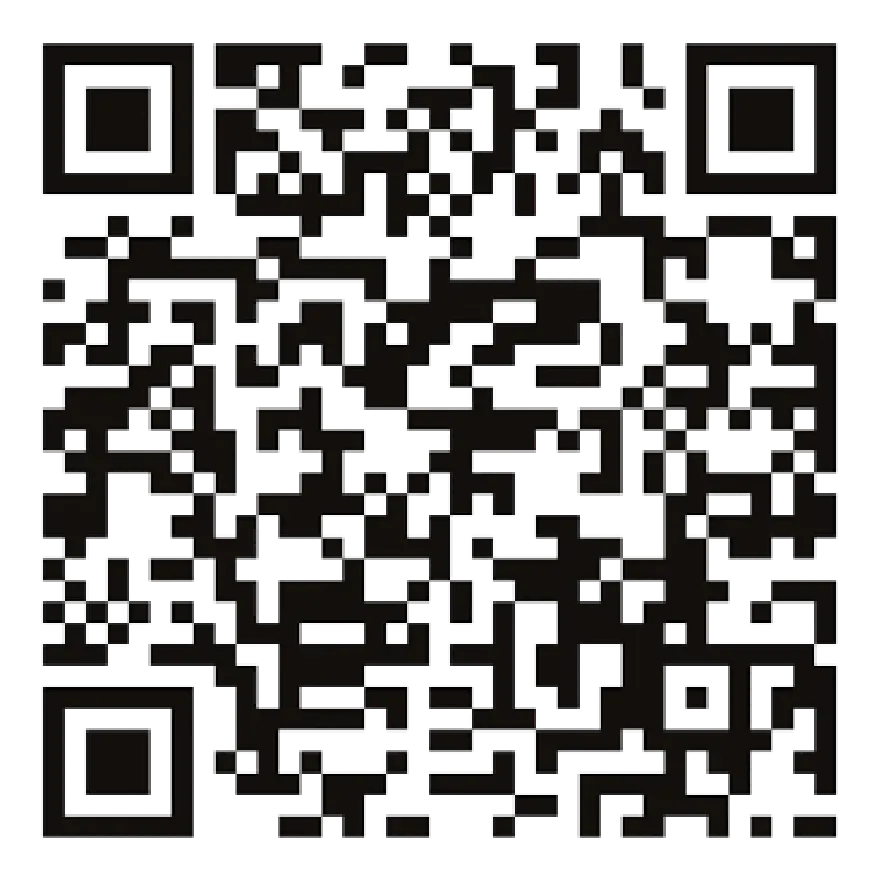
Our virtual try-on tool allows you to try our Transitions® lenses without any commitment. Simply scan the QR code with your phone camera to find the Transitions lens color that suits you best.
Our virtual try-on tool allows you to try our Transitions® lenses without any commitment. Simply tap the QR code to find the Transitions lens color that suits you best.